

| Media Kit | Testimonials | | | Contact Us | Archives
|
||
|
|
||
|
Bloodstain Patterns and Interpretation Editor's Letter News & Views |
|
How to Choose the Right Wound Care Provider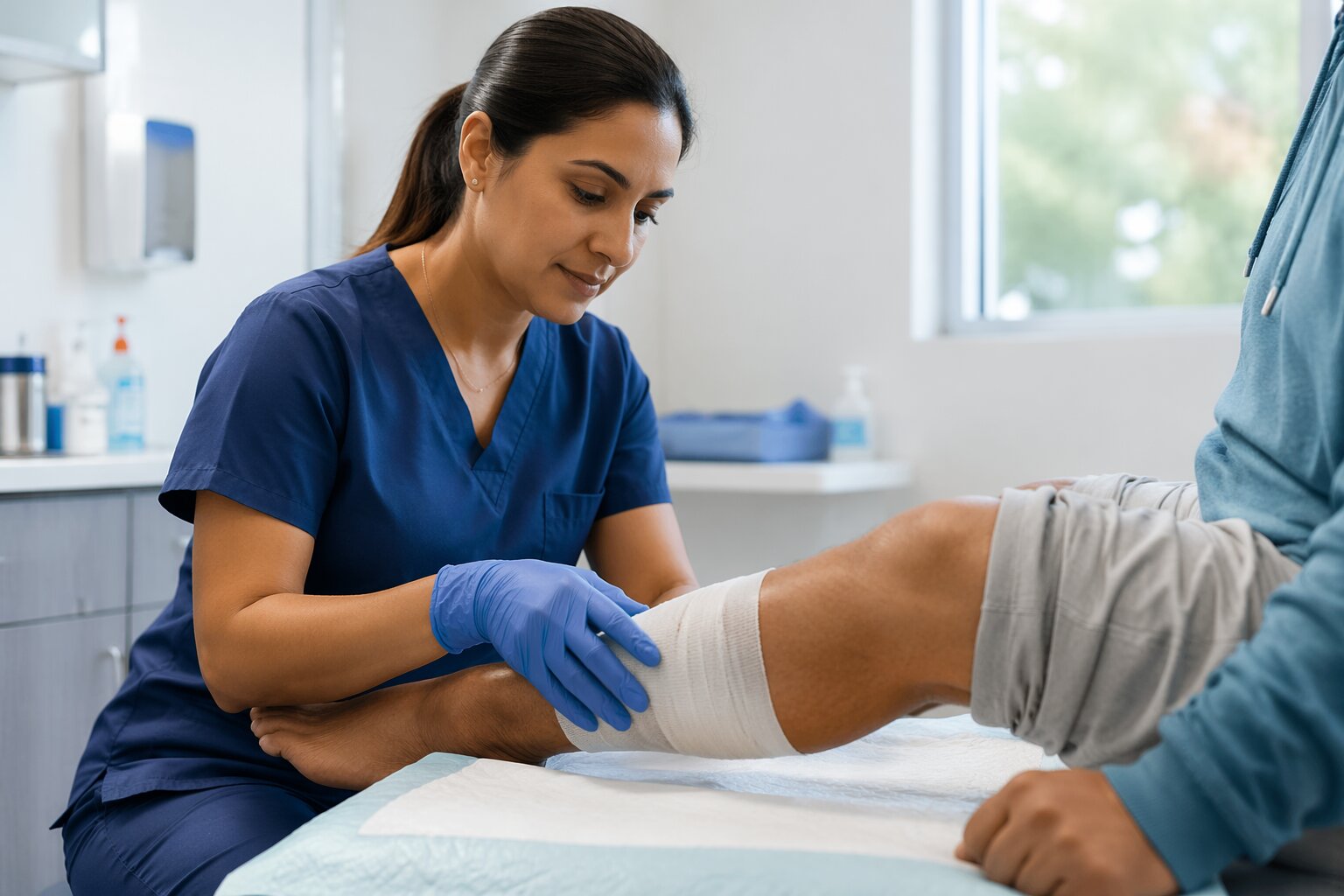
When you’re facing a wound that just won’t heal, choosing the right wound care provider can make the difference between steady recovery and months of frustration. You can’t rely on convenience or a friendly website alone. You need someone who understands your specific wound, uses current evidence, and communicates clearly. Before you book that first appointment, there are a few critical checks you should make. Most people skip at least one. When Do You Need a Wound Care Specialist?You should seek care from a wound specialist when home treatment is no longer effective or when signs of complications appear. In general, a wound that shows no noticeable improvement after about two weeks, or hasn't healed within six weeks, should be evaluated. Earlier assessment is important if you notice increasing pain, spreading redness, warmth, swelling, pus, or cloudy drainage, a foul odor, or areas of black or dead tissue, as these can indicate infection or poor blood supply. Specialist wound care services are also important if you have conditions that impair healing, such as diabetes, poor circulation, neuropathy (reduced sensation), or a history of recurrent infections. Certain types of wounds warrant prompt professional evaluation from the outset, including deep cuts, pressure injuries, burns, and surgical incisions that reopen. Early and appropriate management in these situations helps protect healthy tissue, preserve function, and reduce the risk of long-term problems with mobility or chronic nonhealing wounds. Compare Wound Care Providers and Clinic TypesOnce you recognize that a wound requires more than basic home care, the next step is determining the most appropriate setting and provider. Common options include hospital-based wound centers, private wound clinics, home health services, and telehealth. Hospital-based wound centers typically manage more complex or high‑risk wounds and often have access to advanced diagnostics, specialized dressings, and multidisciplinary teams (such as vascular surgery, infectious disease, and endocrinology). Private wound clinics may offer shorter wait times, more flexible scheduling, and a quieter environment, which some patients find easier to navigate. Home health services are useful when travel is difficult, when mobility is limited, or when frequent dressing changes are needed but clinic visits aren't practical. Telehealth is generally best suited for follow‑up visits, monitoring progress, medication adjustments, and addressing questions that don't require a hands‑on procedure. When comparing these options, it's important to consider how each setting handles continuity of care (seeing the same provider or team over time), communication (how easily you can reach the team and how they share information), urgency (how quickly they can evaluate new symptoms or complications), and coordination (how well they work with your primary care clinician and relevant specialists). Check Your Wound Care Provider’s Credentials and ExperienceBefore choosing a clinic or specialist, review the provider’s education, training, and experience with wounds similar to yours. Confirm that they hold an active state license, appropriate board certification, and any relevant wound-care–specific credentials, such as certification in wound, ostomy, continence, or diabetic foot care. Ask how many patients with your type of wound they manage each month, their typical healing timelines, and their complication or re-admission rates. When available, request de‑identified case examples or before-and-after photos that demonstrate outcomes. Verify that their approach aligns with current clinical guidelines and evidence-based protocols. In addition, consider objective feedback from outside sources. Review independent patient ratings and comments, and ask your primary care physician or surgeon which wound care providers they consider competent and reliable. Evaluate Your Provider’s Treatment Options and Wound Care TechCredentials are important, but it's also necessary to understand how a provider manages wounds and which tools and methods they use. Ask which evidence‑based treatments are part of their routine care, such as advanced dressings, negative pressure wound therapy, debridement techniques, infection control measures, and strategies for managing pain. Determine whether they use current diagnostic tools, including wound imaging, digital measurement software, or telehealth services for follow‑up and monitoring. Ask how they decide when to change dressings, modify the care plan, or refer you for a higher level of care. They should be able to explain treatment options in clear, nontechnical terms and include you in the decision‑making process. An effective provider individualizes treatment plans, tracks healing with objective data, and revises the approach when progress slows or complications arise. Match Wound Care to Diabetes, Vascular Disease, and MoreYou’ve reviewed how a provider manages wounds in general; the next step is to assess how well they adapt care to specific conditions such as diabetes, venous disease, arterial disease, and pressure injuries. Ask how they manage diabetic foot ulcers, including their approach to off‑loading (e.g., specialized footwear or devices), infection control, and coordination with diabetes care for blood glucose management. For venous ulcers, determine whether they've expertise in compression therapy and edema control. For arterial disease, confirm that they arrange appropriate vascular testing and refer for or coordinate revascularization when indicated. For pressure injuries, review their methods for off‑loading, repositioning schedules, and use of standardized risk assessments. In all cases, verify that they routinely screen for neuropathy, circulation problems, and signs of infection so that treatment addresses the underlying cause as well as the wound itself. Assess Your Wound Care Provider’s Communication StyleWhen you're managing a wound that isn't healing as expected, the provider’s communication style can influence how well you understand and follow the treatment plan. Notice whether the provider listens without interrupting, asks focused questions, and gathers detailed information about your symptoms, medications, and daily activities. These behaviors can indicate that they're considering relevant factors that affect wound healing. Evaluate how they explain your diagnosis and treatment options. Clear communication usually includes specific goals, probable timelines, and signs that should prompt immediate contact or follow-up. These points should be presented in straightforward, understandable language rather than in vague terms or technical jargon that isn't explained. It is appropriate to ask, “What is my role at home?” A thorough response should include concrete instructions about wound care, activity level, nutrition, and when to seek help. If you consistently leave visits feeling rushed, dismissed, or uncertain about the plan, this may indicate that the provider’s communication style isn't meeting your needs, and it may be reasonable to consider another opinion. Check Clinic Access, Scheduling, and Insurance CoverageBefore selecting a wound care provider, assess whether the clinic is practical for your circumstances. Consider the distance, typical traffic patterns, parking availability and cost, public transportation options, and whether you'll need assistance traveling to and from appointments. Because wound care often involves frequent visits, overall travel burden can significantly affect your ability to adhere to the treatment plan. Ask about appointment availability for new patients and how the clinic manages urgent or unexpected issues. Clarify office hours, the possibility of same‑day or next‑day appointments, and whether telehealth is available and appropriate for certain types of follow‑up or monitoring. Verify insurance coverage before scheduling care. Contact your insurance company or review its online provider directory to confirm that the clinic and any associated providers are in network. Ask about copayments, deductibles, prior authorization requirements, and whether there are additional facility, procedure, or supply fees that may not be fully covered. This information can help you anticipate out‑of‑pocket costs and avoid unexpected bills. Use Reviews, Referrals, and Red Flags to Finalize Your ChoiceAfter confirming that a clinic aligns with your logistical needs and insurance coverage, it can be helpful to compare your options using external information and potential warning signs. Read detailed reviews that describe specific experiences, such as the types of wounds treated, the pace and quality of healing, staff communication, and the cleanliness and organization of the facility. Pay attention to consistent themes that appear across multiple reviews rather than focusing on a single strongly negative or positive comment. Seek referrals from reliable sources, such as your primary care physician, home health nurse, or others who've experience with wound care services, particularly in cases involving complex or slow-healing wounds. These recommendations can provide additional context that isn't always evident from online information alone. Be aware of possible red flags, including very short or rushed appointments, frequent staff turnover, limited or inconsistent follow-up, pressure to purchase products or services that aren't clearly justified, unclear or unpredictable costs, or reluctance to explain diagnosis and treatment options. If you observe several of these issues or don't feel confident in the care being proposed, it may be appropriate to consider other clinics. ConclusionChoosing the right wound care provider helps you heal faster, avoid complications, and feel more in control. Pay attention to your symptoms, compare clinic types, and confirm credentials and experience with your specific wound. Ask about diagnostics, treatment options, and technology, especially if you have diabetes or vascular disease. Make sure communication, access, and insurance fit your needs. Use reviews and referrals, and trust your instincts, to pick a provider you feel confident partnering with.
|
|
|